

If there was one thing to emerge at the end of 2019, it was a renewed focus on “plant-based” eating, vegetarianism and veganism. Driven by multiple factors from climate change, environmental concerns, animal welfare and of course perceived nutritional benefits. Netflix’s documentary “The Game Changers” sparked heated debates on the pros and cons of a vegan diet in the context of sports performance. The headlines were never short on stories. The Economist’s reviewed 2019 as “The year of the Vegan” and the BBC kickstarted 2020 asking “Why are vegan diets on the rise?”. So why are plant-based diets trending?
Firstly, lets define terms.
–Plant-based = A diet consisting mostly or entirely of foods derived from plants, including vegetables, grains, nuts, seeds, legumes and fruits, and with few or no animal products.
– Vegetarian = A diet free from animal foods such as meat and fish, but containing derivatives such as dairy, eggs and honey.
– Vegan = A diet free from animal foods and derivatives such as meat, fish, dairy, eggs, and honey.

The first thing to note is that a plant-based diet is not necessarily synonymous with vegan. They are actually separate things. A plant-based diet has a heavy focus on plant-foods but does not explicitly avoid animal products. Vegetarianism takes this concept one step further by limiting animal products to dairy and eggs, whilst veganism fully avoids all animal products and derivatives. So moving towards a plant-based model of eating may mean different things to different people. Some may intend it as a choice focused on eating healthy wholefoods whilst maintaining a small degree of animal products whilst some may opt for a full plant-based diet.
Are plant-based diets healthier?

Taking animal products out of the equation
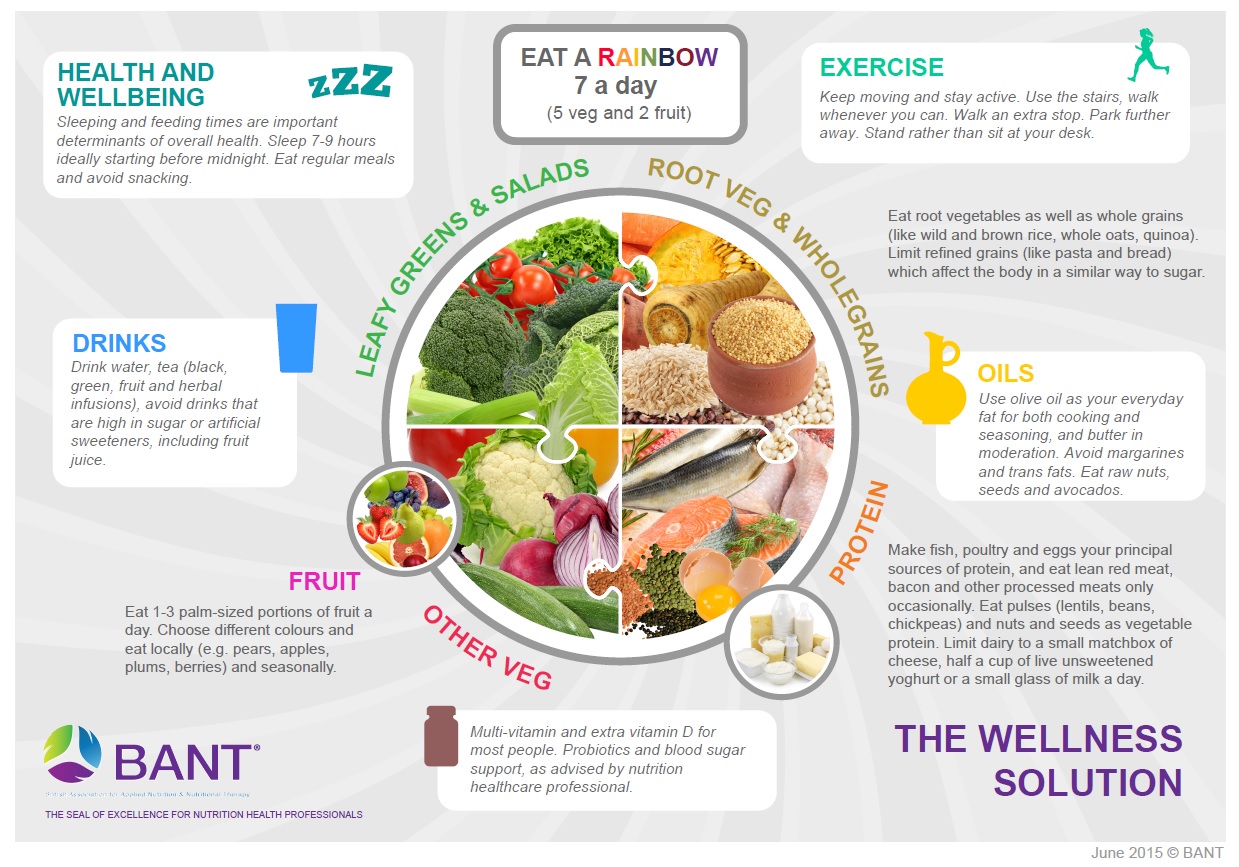
For those wishing to fully exclude animal products, its important to understand which nutrients need to be replaced with plant-based alternatives. Meat, Fish and Eggs are a source of bio-available protein, made from amino acids (some of which are essential), which the body uses for growth and repair. Plant foods can provide many of the same amino acids but in varying quantities, so plant diversity is again important to ensure an optimal intake. Animal foods are also nutrient-dense in vitamins and minerals such as iron, zinc and vitamin B12, as well as essential fatty acids such as omega 3. These nutrients are essential to healthy metabolic functions and are harder to get from plant foods (although possible) and are not necessarily available in the same volume or as bio-available. Simply put, removing animal foods is perfectly possible but should be implemented carefully to ensure an optimal intake of nutrients from plant foods. Ensure to include a variety of plant-based proteins such as beans, lentils and pulses, and iron-rich leafy green vegetables, and nuts containing omega 3 fatty acids and so on. Read up on removing animal products and ensure you know where your nutrients are coming from.
Less is more, so retaining a small quantity of carefully sourced, high quality animal products may be acceptable to some people within the framework of a plant-based diet to ensure an intake of essential nutrients. In many cases this may be to support specific health or life stage considerations.
Avoiding carb-overload and including healthy fats and protein

The low down of plant-based processed foods
Just like all processed foods there are cautions. The estimated sales of meat-free foods in 2018 was £740m so like all other categories its a multiple million pound business. Even fast-foods giants MacDonald’s, KFC, Burger King and Greggs have all launched vegan options on their menus highlighting not only a consumer need but a commercial opportunity. Just like other processed foods there are good and bad. Just because it’s labelled as plant-based it doesn’t mean to say it’s healthy. Reading the label is always advisable so that you can see exactly what’s in the food you plan to eat. Does it have a good protein ratio? Is it packed with sugars? How many ingredients are there in total? What kind of ingredients – natural wholefoods or cheap fillers? Plant-based processed foods are likely to be as over-processed as their animal product counterparts and may include potentially problematic ingredients such as genetically-modified soy. Stick to products with the simplest ingredients lists (5 or less ingredients), made from recognisable wholefoods and quality proteins such as nuts, seeds and legumes.
Plant food trends, animal foods, and the environmental impact
Much of the talk around plant-based diets is about the reduced environmental and carbon impact when compared to livestock. The vegan society state that “The production of meat and other animal products places a heavy burden on the environment – from crops and water required to feed the animals, to the transport and other processes involved from farm to fork. The vast amount of grain feed required for meat production is a significant contributor to deforestation, habitat loss and species extinction”. Whilst the UK consumption of red meat is down 30% in a decade, according to the Food Standard Agency’s National Diet and Nutrition Survey (NDNS), overall meat consumption is unchanged, highlighting a likely switch from red meat to other, rather than a decrease. The UN Food and Agriculture Organisation states that livestock is about 40% of the global value of agricultural output and supports the livelihoods and food security of almost a 1.3 billion people. So where does this leave us when it comes to the environment? The Guardian wrote an informed piece on “The true cost of eating meat” back in 2018 looking at land use, deforestation, water use and pollution, as well as scratching the surface on animal welfare in factory farms, and the potential link between antibiotic use in animals and antibiotic resistance in humans. The article quotes an influential study in 2010 of the water footprints for plants versus meat demonstrating how much more water is required for animal products (see below).
– 322 l/kg = vegetables
– 962 l/kg = fruit
– 4325 l/kg = chicken
– 9063 l/kg = nuts
15415 l/kg =beef
Note however that nuts come up higher than chicken and reflect on how much the demand for nuts and nut-based products (almond milk ecc) has likely grown between 2010 and 2019. Statistics for California which produces over 80% of the worlds almonds show a 250% increase between 2010-2015. It takes approximately 15 gallons of water to produce just 16 almonds, making almonds one of the most water-intensive crops in the state, which it’s worth mentioning is also suffering from increased droughts. That’s a lot of thirsty nut trees.

Moving forward
There is no easy solution to the current food industry model. Agriculture, food and farming remains one of the biggest economic sectors globally, supporting billions of peoples livelihoods.
Transitioning towards a diet more dominant in whole plant foods, and with reduced animal foods, has both nutritional and environmental merits. Consumer demand will inevitably drive the agenda. Sourcing ethical, organic, locally grown / farmed , seasonal foods is one way to influence the food chain and hopefully reduce our individual carbon footprint. There is much to debate also about excessive portion size and food waste but that’s for another day.
Plant diversity is central to a successful plant-based style of eating. More variety equals more nutrients. And less focus on so-called super-foods may help the environment longer-term and prevent over production of the nuts, avocados and quinoa’s of this world.
However you choose to eat. Be mindful.
Claire Sambolino MSc
Registered Nutritionist & Certified Dietary Educator
mBANT, CNHC, mIFM, FHT